IPTV Subscription Service: Best Guide & Tips for 2026
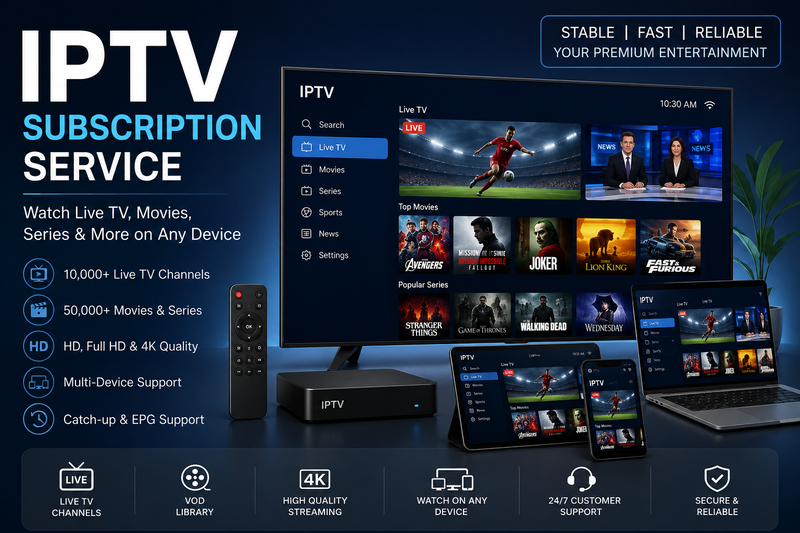
Discover how to choose the best IPTV subscription service. Compare features, streaming quality, device support, pricing, reliability, and legal considerations.
IPTV Subscription Service: A Complete Guide to Choosing the Right IPTV Provider
Choosing the right IPTV subscription service can make a significant difference in how you watch television, movies, sports, news, and other digital content. Instead of relying exclusively on traditional cable or satellite television, IPTV delivers television content through an internet connection, giving viewers greater flexibility and access to digital entertainment across compatible devices.
With so many IPTV providers available, finding a service that offers reliable streaming, useful features, transparent pricing, and appropriate content can feel overwhelming. This guide explains what to look for when choosing an IPTV subscription service and how to make a more informed decision.
What Is an IPTV Subscription Service?
An IPTV subscription service is a television streaming service that delivers video content over an internet protocol network. The term IPTV stands for Internet Protocol Television.
Unlike traditional television broadcasting methods, IPTV uses an internet connection to transmit television programming. Depending on the provider, subscribers may have access to live television channels, video-on-demand content, movies, series, sports programming, catch-up television, and other digital entertainment features.
The experience can vary considerably between providers. Some services focus primarily on live television, while others combine live channels with extensive on-demand libraries and additional streaming features.
Before subscribing, consumers should always verify what content is included, which countries or regions are supported, what devices are compatible, and whether the provider has the appropriate rights to distribute the content.
How Does IPTV Work?
IPTV works by transmitting television content through an internet connection rather than through conventional cable or satellite infrastructure.
A typical IPTV setup involves three primary components:
- Content source: Television channels or video content are prepared for digital transmission.
- IPTV platform: The service provider manages the content delivery system and subscriber access.
- User device: The viewer watches the content through a compatible smart TV, streaming device, computer, smartphone, tablet, or approved IPTV application.
When you select a live channel or on-demand program, the IPTV platform sends the requested content through the internet to your device.
The quality of the viewing experience depends on several factors, including internet speed, network stability, device performance, server capacity, video quality, and the provider's technical infrastructure.
💎 Premium IPTV Service – Fast & Reliable 📺
Why Choose an IPTV Subscription Service?
An IPTV subscription service can provide several advantages for viewers who prefer internet-based entertainment.
1. Flexible Viewing
IPTV allows users to watch television through compatible internet-connected devices. This can be particularly convenient for households that use multiple screens.
Depending on the provider, you may be able to access your subscription through a smart TV, mobile device, computer, or streaming player.
2. Live Television and On-Demand Content
Many IPTV services combine live television with on-demand programming. This can give subscribers more flexibility than a traditional television package.
Instead of watching only what is currently being broadcast, on-demand features may allow you to select available movies, shows, or other programs whenever you want.
3. Multi-Device Compatibility
A quality IPTV service should clearly explain which devices and operating systems it supports.
Common compatible platforms can include:
- Smart TVs
- Android devices
- iPhones and iPads
- Windows computers
- macOS computers
- Streaming media players
- Web browsers
Compatibility varies by provider, so checking the official requirements before purchasing is essential.
4. Internet-Based Convenience
Because IPTV uses an internet connection, viewers do not necessarily need a traditional cable television installation.
This can make internet-based television a convenient option for people who already have a reliable broadband connection.
Important Features to Look for in an IPTV Subscription Service
Not every IPTV subscription service offers the same experience. Comparing important features can help you choose a provider that matches your requirements.
Channel Selection
Start by checking the channel lineup. A large number of channels may sound attractive, but quantity alone does not determine whether a service is suitable.
Look for the specific channels, categories, languages, or regional programming you actually watch.
Streaming Quality
Video quality is another important consideration. Depending on the provider and content, IPTV services may offer standard definition, high definition, Full HD, or 4K streaming.
Remember that higher-resolution streaming generally requires a stronger internet connection and compatible hardware.
Reliability and Stability
A good IPTV experience depends on consistent streaming. Frequent buffering, connection interruptions, or unavailable channels can quickly make a subscription frustrating.
Before choosing a provider, research its reputation and understand its refund or cancellation policies.
Electronic Program Guide
An Electronic Program Guide, commonly called an EPG, can make live television much easier to navigate.
An effective EPG displays program information and schedules, allowing viewers to see what is currently playing and what is coming next.
Video-on-Demand Library
If you prefer movies and television series, investigate the provider's video-on-demand offering.
Look at the available categories, update frequency, languages, subtitles, and supported playback quality.
Device Support
Always confirm whether the IPTV subscription service works with your preferred devices.
A service that works well on one platform may have limited functionality on another. Check installation instructions and system requirements before subscribing.
Customer Support
Responsive customer support can be especially valuable when dealing with account, billing, installation, or playback issues.
Look for clear support channels and straightforward documentation rather than relying solely on promotional claims.
🔍 Explore More Streaming Guides
How to Choose the Best IPTV Subscription Service
Choosing the best IPTV service is ultimately about matching the provider to your viewing habits.
Step 1: Identify Your Requirements
Before comparing providers, decide what you actually need.
Ask yourself:
- Do I mainly watch live television?
- Do I need sports or news programming?
- Do I want movies and series on demand?
- Which languages or regional channels do I need?
- Which devices will I use?
- How many people will use the service?
- What is my monthly or annual budget?
Having clear requirements makes it easier to eliminate unsuitable options.
Step 2: Check the Channel Lineup
Do not choose a service solely because it advertises thousands of channels.
Instead, confirm that the channels you care about are genuinely available and legally distributed in your region.
Step 3: Review Device Compatibility
Check whether the provider supports your television, smartphone, computer, or streaming device.
You should also review the number of simultaneous connections permitted under the subscription.
Step 4: Compare Pricing
IPTV subscription pricing can vary considerably.
When comparing plans, look beyond the headline price. Consider the subscription duration, included features, number of supported devices, renewal terms, taxes, and cancellation policy.
A transparent provider should clearly explain what you are paying for.
Step 5: Read Reviews Carefully
Online reviews can help identify recurring problems, but they should be evaluated critically.
Look for patterns involving:
- Streaming reliability
- Customer support
- Billing
- Subscription cancellation
- Device compatibility
- Content availability
Avoid relying entirely on testimonials published by the provider itself.
IPTV Subscription Service vs. Traditional Cable TV
IPTV and traditional cable television use different delivery methods.
Cable television generally relies on dedicated cable infrastructure, while IPTV delivers content over an internet connection.
IPTV can offer greater flexibility because compatible devices can access internet-delivered content. However, IPTV also depends heavily on the quality and stability of your internet connection.
Traditional cable may be more predictable in locations where broadband service is unreliable, while IPTV may be attractive to households that already have fast, stable internet.
The better choice depends on your location, viewing preferences, budget, available infrastructure, and desired features.
Internet Requirements for IPTV
A stable internet connection is essential for a positive IPTV experience.
Your required connection speed depends on the resolution and service you use. Higher-resolution video generally requires more bandwidth.
For the best results:
- Use a stable broadband connection.
- Connect your primary television through Ethernet when practical.
- Position Wi-Fi equipment appropriately.
- Avoid unnecessary network congestion.
- Keep your streaming device updated.
- Check your internet performance if buffering occurs.
It is also important to distinguish between an IPTV provider problem and a local network problem. If multiple devices experience slow internet performance, your connection may be the issue rather than the IPTV service.
How to Avoid IPTV Buffering
Buffering can occur for several reasons, including insufficient bandwidth, Wi-Fi interference, network congestion, device limitations, or problems on the provider's side.
Try these troubleshooting steps:
- Restart your streaming device.
- Restart your router.
- Test your internet connection.
- Close applications using significant bandwidth.
- Try a wired connection.
- Update the IPTV application or device software.
- Test another channel or video.
- Contact the provider if the issue continues.
If only one channel repeatedly buffers while other services work normally, the problem may be related to that particular stream or the provider's infrastructure.
IPTV Security and Privacy Considerations
Internet-based television services involve account information and network communication, so security should not be overlooked.
Choose providers that clearly explain their privacy practices and payment procedures. Avoid sharing account credentials unnecessarily and use strong, unique passwords where applicable.
Be cautious with unknown applications, unofficial downloads, and services that request unnecessary permissions.
A trustworthy IPTV subscription service should provide clear information about its company identity, terms of service, privacy policy, billing practices, and customer support.
Legal Considerations When Choosing IPTV
One of the most important factors is whether an IPTV provider has the appropriate rights to distribute the content it offers.
The fact that a service can technically stream a television channel does not necessarily mean that it is authorized to distribute that channel.
Consumers should therefore choose legitimate providers and review the provider's licensing information, terms of service, and content rights where available.
Avoid services that advertise copyrighted premium content at unrealistic prices while providing little or no information about their legal status.
IPTV on Smart TVs
Smart TVs are among the most convenient devices for IPTV streaming.
Depending on the television manufacturer and provider, you may be able to use an official IPTV application or another compatible application.
Before purchasing a subscription, confirm:
- Your TV operating system
- Supported IPTV applications
- Required login credentials
- Supported video formats
- Number of supported devices
- Installation requirements
Always download applications from reputable and authorized sources whenever possible.
IPTV on Mobile Devices
Many viewers also use IPTV services on smartphones and tablets.
Mobile viewing can be useful when traveling or when you want to watch content away from your main television.
However, mobile streaming can consume significant amounts of data. If you are using cellular data rather than Wi-Fi, check your mobile plan before watching high-resolution video for extended periods.
IPTV for Families
Families should consider device limits and simultaneous streaming policies when selecting an IPTV subscription service.
For example, a household may want to watch different programs on the television and mobile devices at the same time. Not every subscription permits multiple simultaneous connections.
Check the provider's terms carefully rather than assuming that one subscription automatically supports unlimited devices.
Common Mistakes to Avoid
Choosing an IPTV service based only on price is one of the most common mistakes.
Other issues to avoid include:
Choosing an Unrealistically Cheap Service
Extremely low prices can sometimes indicate poor infrastructure, unclear licensing, unreliable support, or other concerns.
Ignoring Cancellation Terms
Always understand whether a subscription automatically renews and how cancellation works.
Assuming Every Device Is Supported
Check compatibility before purchasing.
Focusing Only on Channel Numbers
A huge channel count does not guarantee reliable streams or relevant programming.
Downloading Unverified Applications
Use reputable application sources and follow the provider's official setup instructions.
Frequently Asked Questions About IPTV Subscription Services
What is an IPTV subscription service?
An IPTV subscription service delivers television and video content through an internet connection. Depending on the provider, it may include live channels, on-demand movies, television series, sports, news, and other programming.
Is IPTV better than cable?
It depends on your needs. IPTV can provide flexible internet-based viewing and multi-device access, while cable may offer a more traditional television experience. Your internet quality, location, content preferences, and budget should influence your decision.
Do I need fast internet for IPTV?
A stable broadband connection is important, particularly for high-definition and 4K streaming. Your exact requirements depend on the video resolution and service.
Can I watch IPTV on a Smart TV?
Many IPTV services support Smart TVs, but compatibility varies. Check the provider's official device list before subscribing.
Can IPTV work on a smartphone?
Many services support smartphones and tablets through compatible applications or web platforms. Check the provider's official instructions for supported operating systems.
Why does IPTV buffer?
Buffering can be caused by slow or unstable internet, Wi-Fi interference, network congestion, device limitations, or problems with the IPTV provider's servers or streams.
How should I choose an IPTV provider?
Compare the channel lineup, content rights, streaming quality, device compatibility, pricing, customer support, cancellation policy, and reputation before subscribing.
Final Thoughts
The right IPTV subscription service can provide a convenient way to access internet-based television and digital entertainment. However, choosing a provider requires more than simply comparing channel counts or subscription prices.
Focus on reliability, content availability, device compatibility, streaming quality, customer support, transparent pricing, privacy, and legitimate content distribution.
Most importantly, choose a service that clearly explains what it offers and operates transparently. By evaluating providers carefully and understanding your own viewing requirements, you can make a more informed IPTV subscription decision and enjoy a smoother streaming experience.